Briefings
Notes from the current issue
Explanations of tools readers already encounter. Each one ends with questions for your own provider, not with a product to choose.
01
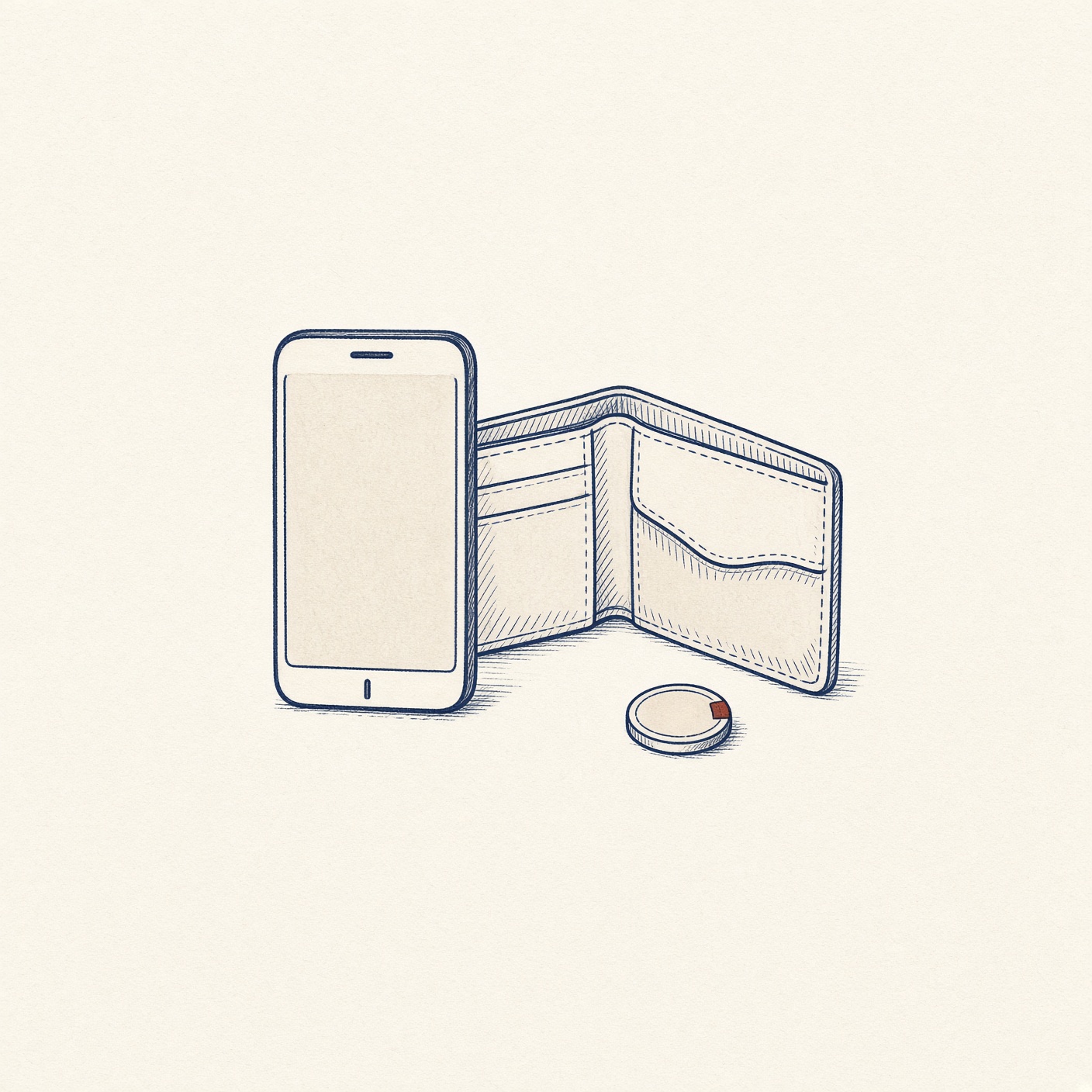
The Evolution of Digital Wallets in 2024
How stored credentials, device checks, and tokenisation changed everyday payments.
Read briefing →02
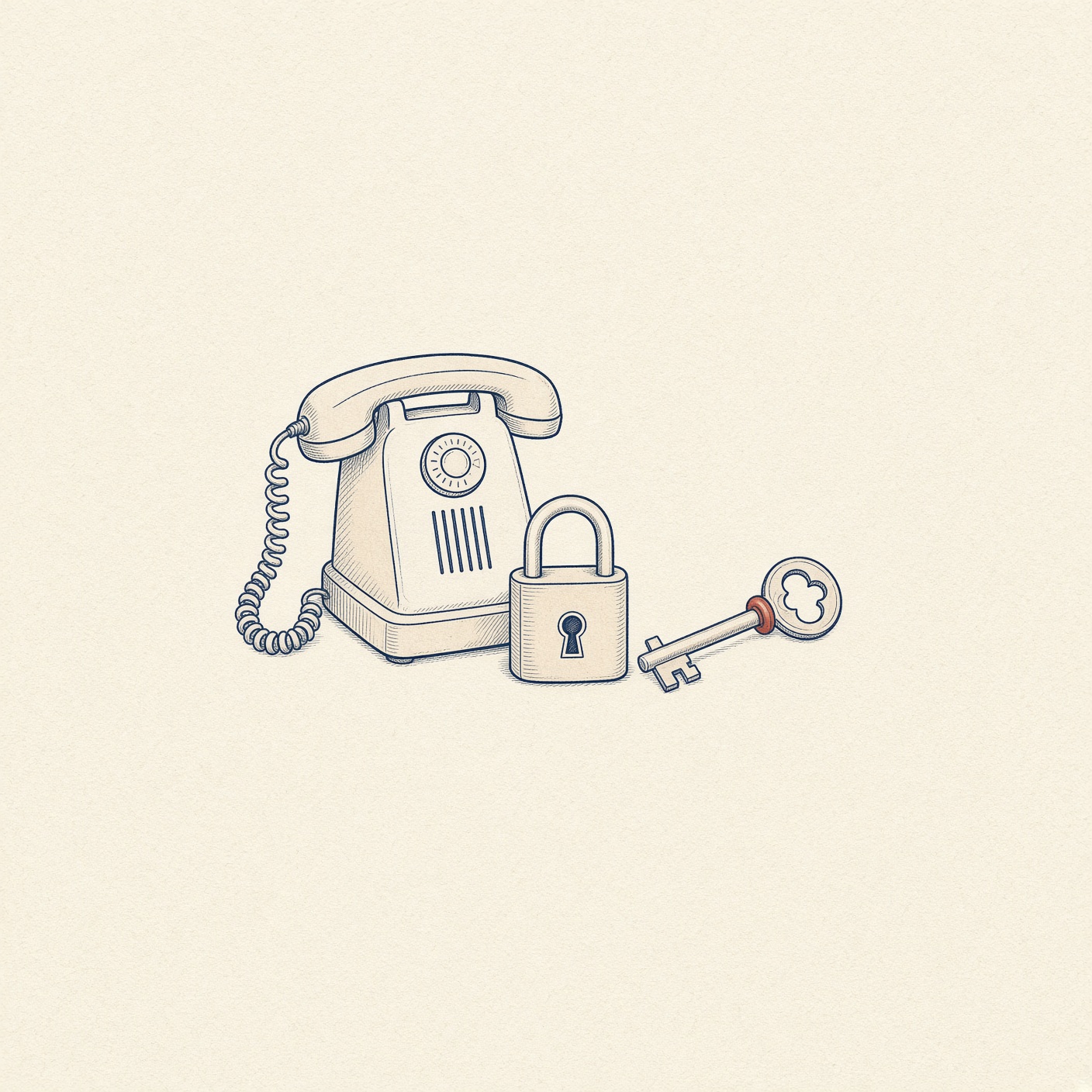
How to Choose a Secure Online Payment Method
The checks that matter more than a general claim of safety.
Read briefing →03

Understanding the Difference Between Virtual and Physical Cards
The account may be the same. The credential, and the way it can be exposed, is not.
Read briefing →04
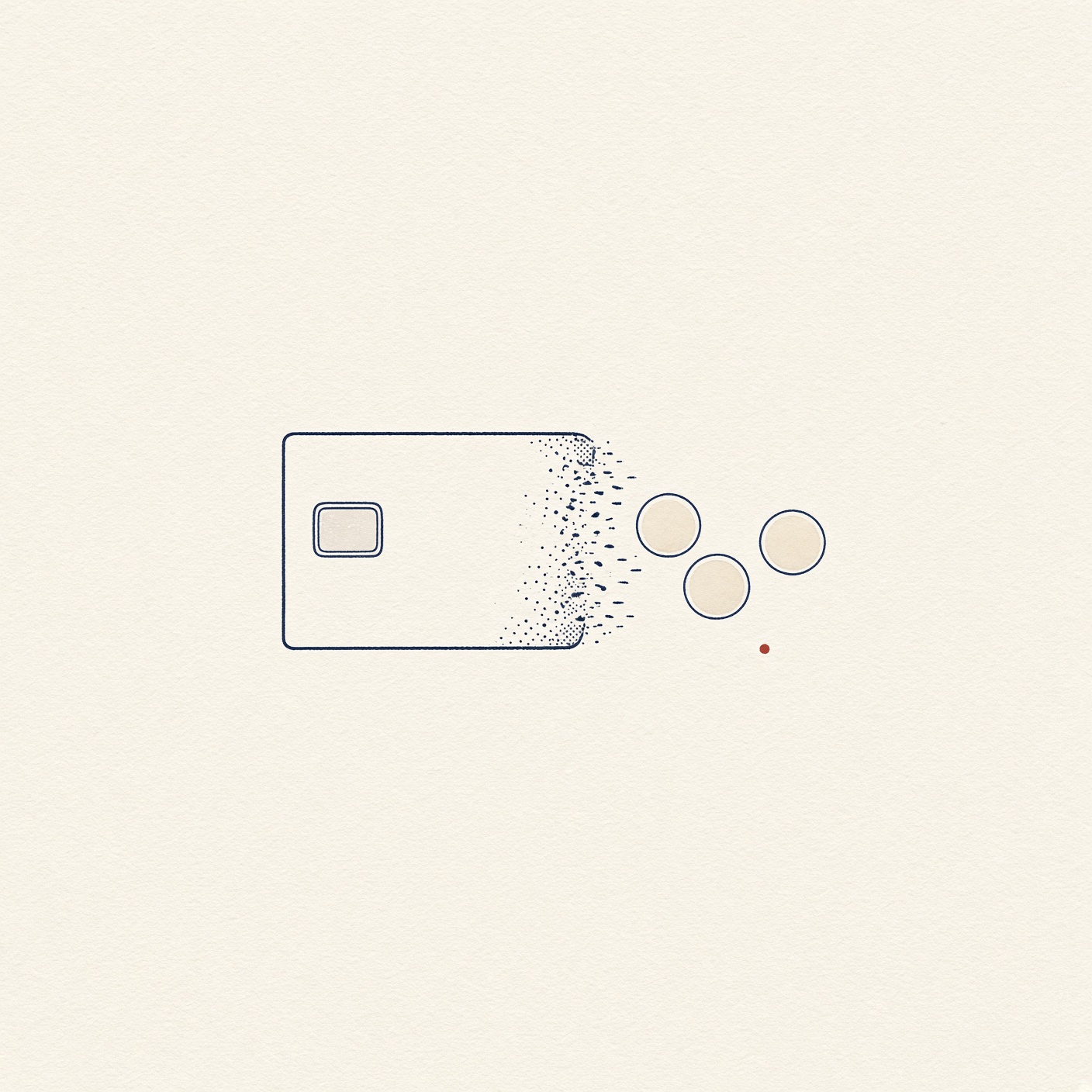
What Tokenisation Actually Does (and Doesn’t)
A substitute number can limit the damage of a copied credential. It does not change who owes the money.
Read briefing →05
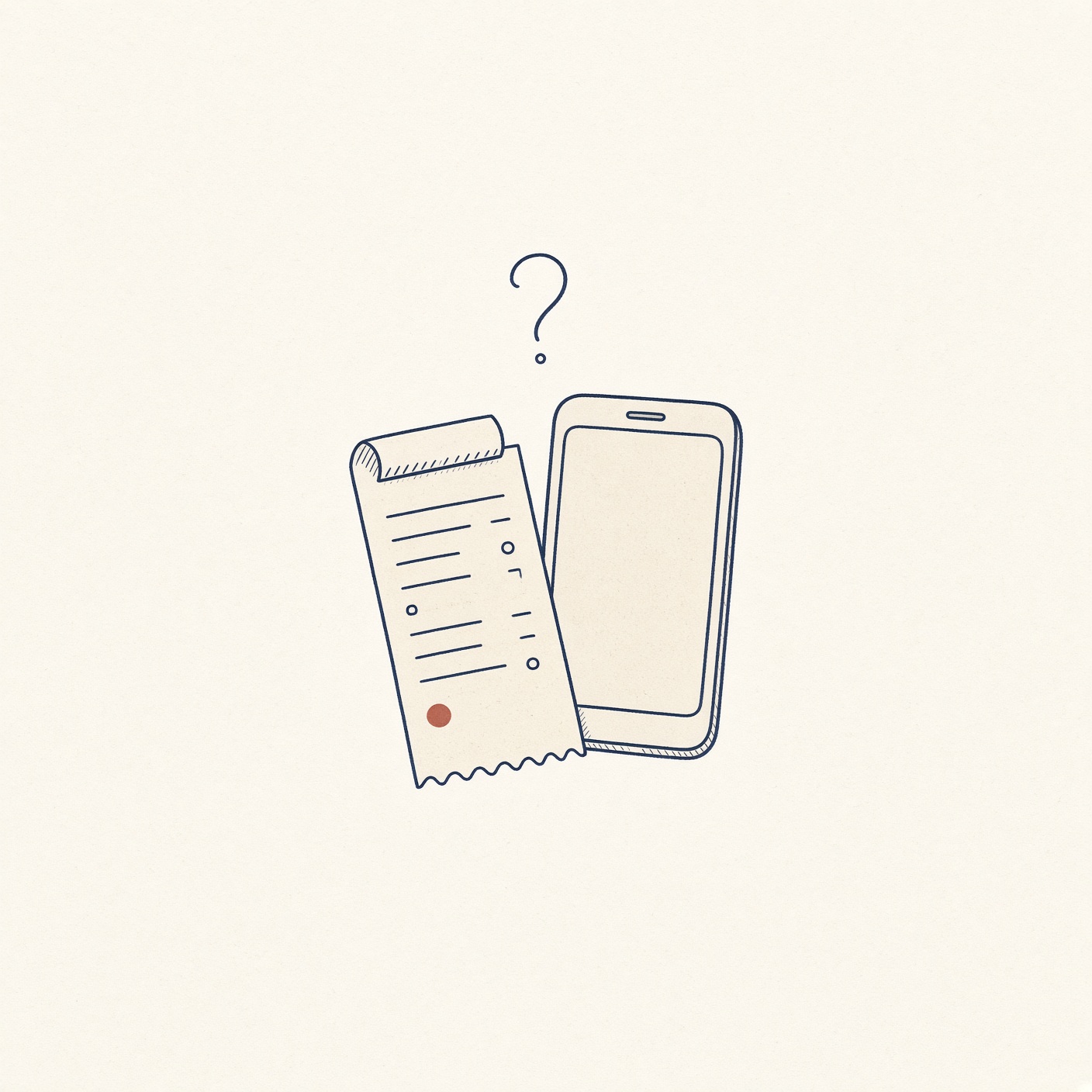
When a Payment Fails or Is Disputed
A decline, a pending hold, and a dispute are three different events. They are often confused.
Read briefing →06
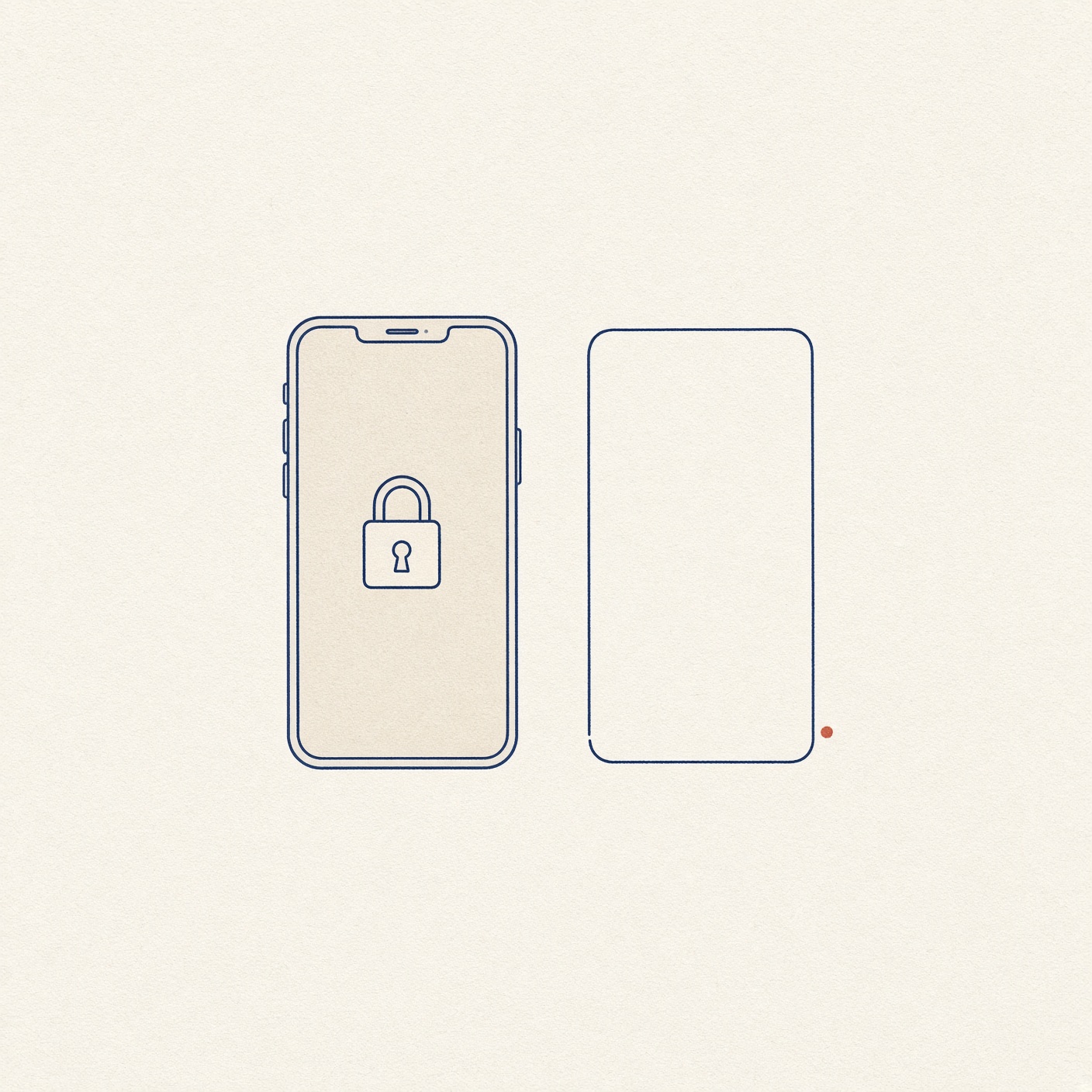
Lost or Stolen Device — What Actually Happens to Your Wallet
The phone is not the account. Suspending one does not automatically suspend the other.
Read briefing →07
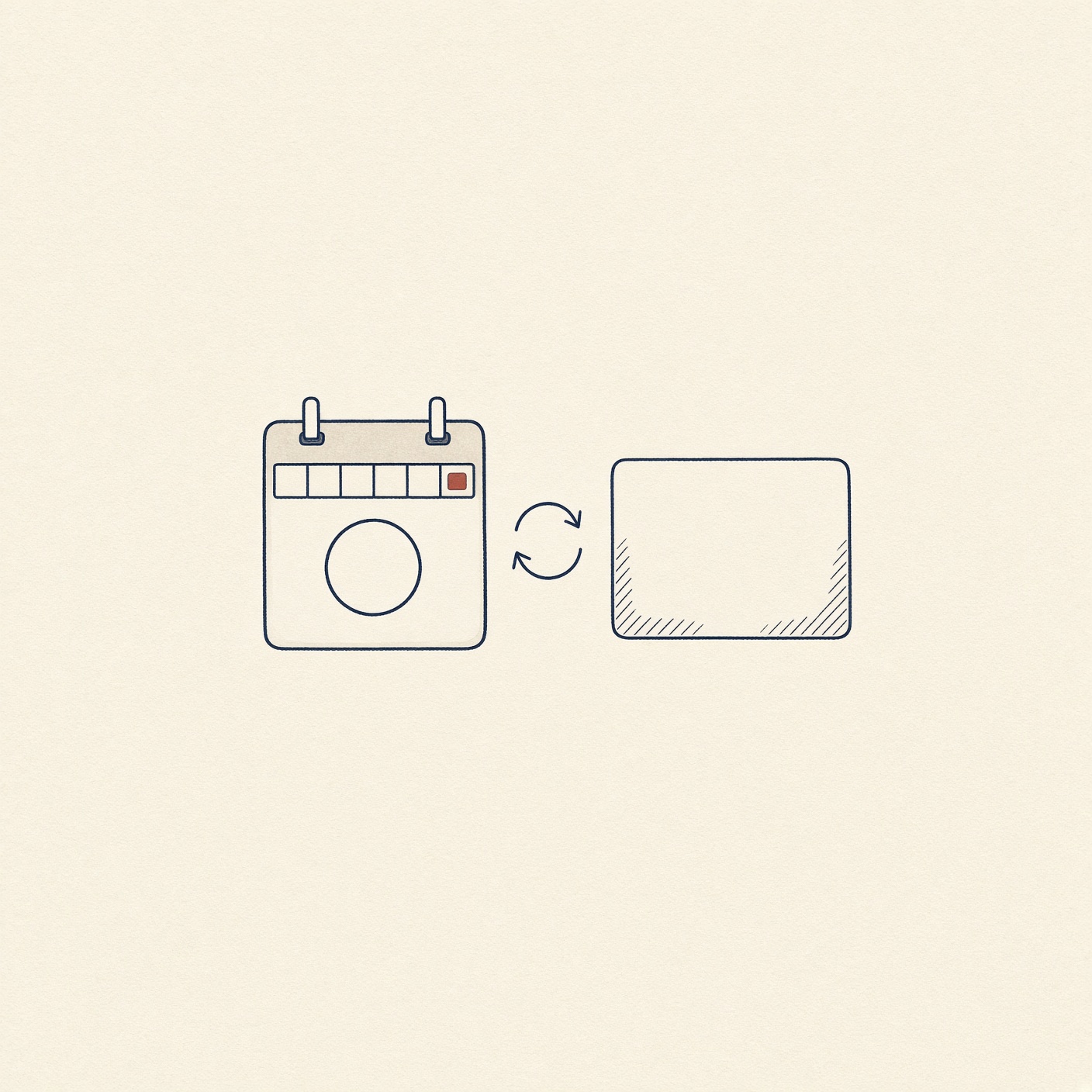
Subscriptions, Trials, and Recurring Charges
A small trial can become a repeating charge. Cancelling the service and stopping the card are not the same act.
Read briefing →08
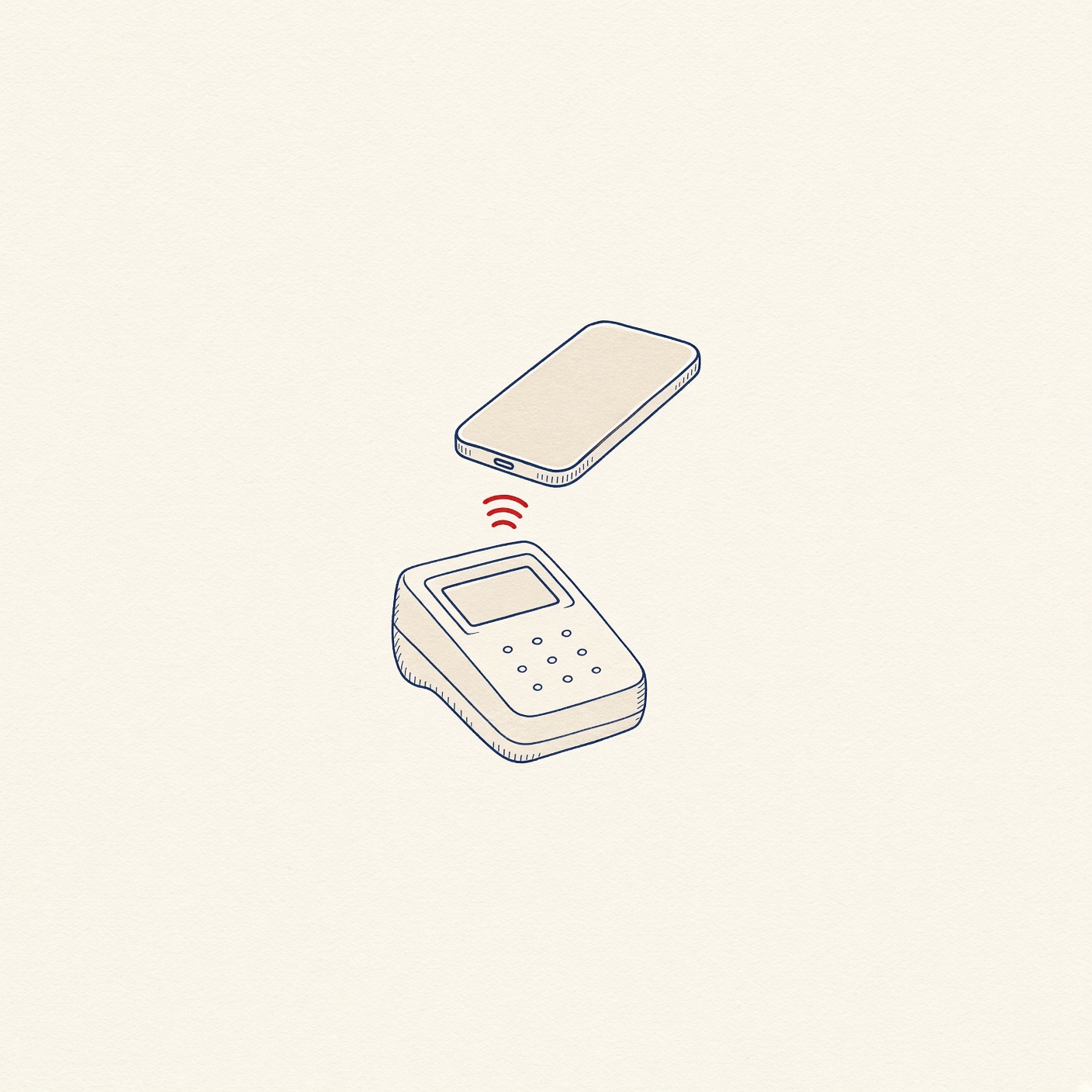
Offline and Contactless Limits
A tap can succeed before anyone has checked with the issuer. The ceiling on that tap is a local rule, not a universal one.
Read briefing →09
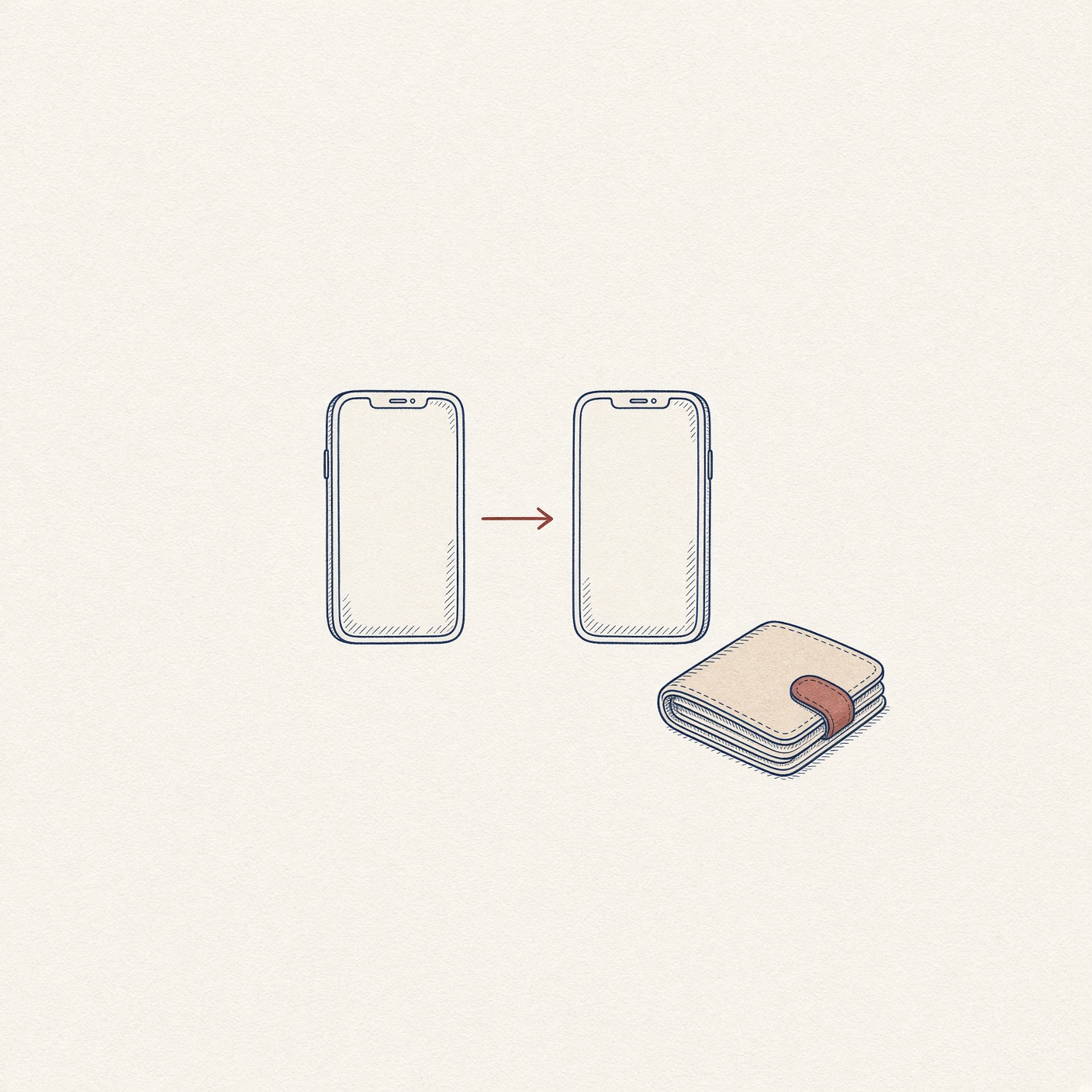
Peer-to-Peer Payments vs Card Wallets
Sending money to a person and paying a merchant are different rails, with different ways to undo a mistake.
Read briefing →10

Cross-Border and Currency Conversion
The rate you are offered at the counter is not the only rate in the payment. It may not be the final one.
Read briefing →